
Tag: Galveston County

  • League City Real Estate and Houston’s Inventory Growth

    League City Real Estate and Houston’s Inventory Growth

    Houston’s inventory growth reaches League City indirectly. More Houston listings give buyers more choices, reduce urgency, and push sellers to compete on price and concessions. It does not guarantee lower League City prices. The effect depends on your price range, submarket, county, and the condition of the specific home.

    How does Houston’s inventory growth affect League City real estate?

    Houston’s rising inventory affects League City Real Estate indirectly. More listings across the metro give buyers more alternatives, take away some urgency, and push sellers to compete on price, condition, and concessions. It does not mean League City prices will fall by the same amount. The effect depends on your price range, your submarket, and the home itself.

    Key Takeaways

    • Houston-area single-family inventory reached 5.5 months of supply in July 2026, according to the Houston Association of REALTORS®.
    • The Houston-area median single-family price was $339,000 in July 2026, down 3.1% year over year, and average time to sell rose to 50 days from 45.
    • Those are metro-level numbers, so they signal direction for League City but do not set a League City price.
    • More choice helps League City buyers most on homes that have already sat on the market and have property-specific issues to negotiate.
    • Investors should screen League City deals on rent, vacancy, insurance, taxes, and maintenance, not on a metro price headline.

    How does Houston’s inventory reach League City Real Estate?

    It reaches League City through buyer behavior, not through a formula. When Houston-area buyers see more homes to choose from, they take longer to decide, compare more options, and ask for more.

    The most recent Houston Association of REALTORS® figures I have, from July 2026, show how the metro market moved:

    Houston-area measure (July 2026)Reading
    Single-family months of supply5.5 months
    Median single-family sales price$339,000
    Median price, year over yearDown 3.1%
    Average time to sell50 days, up from 45 days

    Sources: HAR on inventory and HAR on whether Houston is a buyer’s market.

    Read those numbers carefully. A higher months-of-supply figure gives buyers more selection and leverage. It does not prove prices will keep dropping. And this is the whole Houston area, not League City.

    Where do League City homes compete with Houston listings?

    League City homes feel the most pressure where they compete with Houston-area suburban listings in a similar price range. A home in South Shore Harbour and a newer home along the FM 518 or I-45 corridors do not necessarily draw the same buyers or price points. Neither do homes in The Landing, Westover Park, South Hampton, Countryside, or Bay Colony.

    That’s why I never apply one metro number to every street in town.

    Why does the county matter?

    League City sits in both Galveston County and Harris County. Tax records, comparable sales, and market reporting can differ by county. When I run numbers for you, I start with the county your property sits in and work outward from there.

    How should League City buyers use the extra inventory?

    Use it to widen your search, watch for price reductions, and negotiate on the specific condition of the home. Metro inventory gives you context. It does not replace current League City comparables.

    Get pre-approved before you start watching reductions

    When a home that has sat finally drops its price, it can draw interest quickly. Having your pre-approval in hand lets you move the same day instead of scrambling. I tell every buyer to get pre-approved first, and a market with more choices makes that even more useful.

    Look hardest at homes that have accumulated time

    Houston’s average time to sell moved from 45 to 50 days. Longer timelines tend to give buyers room to ask for repairs, credits, or a price adjustment. In my experience, the leverage comes from the home’s own story: how long it has sat, what the inspection finds, and how it compares to what’s nearby.

    • Track reductions on homes in your target neighborhoods, not just new listings.
    • Inspect with a purpose. Condition findings are the strongest basis for negotiation.
    • Compare across areas. Look at League City, Kemah, and nearby Houston-area suburbs side by side.
    • Weigh total ownership cost, including insurance, taxes, and commute.

    Builders add another layer. New construction can change the competition for existing homes, so it belongs in your comparison. I break that down in my post on investing in League City new construction. For a wider look at local conditions, see League City’s growing inventory.

    What should League City sellers and investors do differently?

    Sellers should price against current League City comparable sales and expect closer scrutiny. Investors should test each deal on its own numbers. Neither should react to a Houston headline alone.

    If you’re selling

    Buyers now have more homes to compare. They will weigh condition, location, flood risk, commute, and total ownership cost against other options. Pricing has to be supported by recent League City sales, not by what a neighbor hoped to get.

    Do not over-improve for your neighborhood. Spend where it protects your price against comparable homes, and skip upgrades the area’s sales won’t reward. A local market analysis shows you where that line is for your home.

    If you’re investing

    A lower metro median does not automatically mean a better return. Before you buy, compare the asking price against:

    • Realistic rent for that specific property
    • Vacancy risk
    • Insurance costs, including flood-related coverage where it applies
    • Property taxes
    • Expected maintenance

    Those inputs vary by street and by property, so I run them for the deal in front of you. For more local context, my post on League City trends buyers should watch is a good companion read.

    Your numbers depend on your property, your price range, and your timeline. That’s where a one-on-one review beats any headline.

    Want to see how other clients describe working with me? Read my reviews on Google, Zillow, and Realtor.com.

    FAQ

    Is League City inventory rising along with Houston’s in 2026?

    Houston-area inventory has risen, reaching 5.5 months of supply in July 2026, but League City moves by submarket and county. Some price points and areas may see more choice than others. I can pull current comparables for your target area so you’re working from local numbers.

    Will Houston’s higher inventory push League City home prices down?

    Not by itself. Houston’s median price was down 3.1% year over year in July 2026, but that is a metro figure. League City prices depend on your price range, location, and the condition of the specific home.

    How much negotiating power do League City buyers have as homes sit longer?

    It depends on the home, not the headline. Houston’s average time to sell rose to 50 days from 45, which suggests buyers are taking longer to decide. The strongest leverage comes from homes that have sat, plus inspection findings and nearby comparable sales.

    Should I wait to buy in League City if Houston inventory keeps increasing?

    Waiting is a bet, and nobody can promise where prices or rates will go. A better move is to get pre-approved, track reductions, and be ready to act when the right home appears. We can talk through your timeline and budget before you decide.

    Does Houston’s inventory growth create better opportunities for League City rental-property investors?

    It can create more options and more negotiating room, but it does not guarantee a better return. Judge each property on rent, vacancy, insurance, property taxes, flood-related costs, and maintenance. A lower metro price alone doesn’t make a deal work.

    The takeaway is simple. Houston’s added inventory gives you more room to compare, negotiate, and plan, but League City Real Estate still gets decided one property and one block at a time. If you want a read on your price range, your neighborhood, or a specific home, I’ll walk you through it.

    Call me at 281-900-9663 or search League City homes.

    About Lisa Marie Sanders

    Lisa Marie Sanders helps clients buy, sell, and invest across the greater Houston metro. She brings a full-service approach to every client, from first-time buyers to seasoned investors.

    Living Vogue Real Estate · 281-900-9663

    Equal Housing Opportunity. Lisa Marie Sanders, TX Broker, Living Vogue Real Estate, regulated by the Texas Real Estate Commission (TREC). This article is general information, not legal, tax, or financial advice. Confirm your own numbers with your title company, tax advisor, or lender.

  • Waterfront Property in League City, 5 Steps to Buy

    Waterfront Property in League City, 5 Steps to Buy

    Buying waterfront property in League City takes five steps: get a written lender pre-approval, confirm exactly what kind of water access the home has, check flood risk by address and price insurance early, order specialized inspections of the seawall and dock, and review restrictions and title before your deadlines run out.

    What are the key steps to buying waterfront property in League City?

    Buying waterfront property in League City takes five steps, in this order: get a written pre-approval, confirm exactly what kind of water access the home has, check flood risk by address and get insurance quotes early, order specialized inspections of the shoreline structures, and review restrictions, ownership duties, and title before your contract deadlines pass. Skip one and you can end up owning a home you can’t insure, finance, or use the way you planned.

    Key Takeaways

    • A League City flood-insurance policy generally has a 30-day waiting period before it takes effect, so start quotes during your contract period, not at the closing table.
    • Standard homeowners insurance does not cover flood damage, and League City recommends flood coverage even where a lender doesn’t require it.
    • League City is an NFIP Community Rating System Class 5 community, which the city says brings a 25% discount for policyholders in the Special Flood Hazard Area and 10% outside it.
    • The Lake Conroe Area’s September 2026 median sold price was $440,295 with 65.7 average days on market, but those are area-wide numbers, not waterfront or League City figures.
    • Check flood risk by the exact property address in FEMA’s map system, not by neighborhood reputation.

    One clarification first. League City is in Galveston County, near Galveston Bay and Clear Lake. Lake Conroe is in Montgomery County, north of Houston. My home base is Lake Conroe, and I work buyers and sellers across the greater Houston metro. Everything below about flood maps and insurance comes from League City’s own guidance, and I keep Lake Conroe numbers clearly labeled as Lake Conroe.

    How do you finance and verify a waterfront home before making an offer?

    You start with a written lender pre-approval, then confirm exactly what kind of water access the home has. Both steps happen before you tour seriously, because they decide what you can buy and what you’re actually buying.

    Step 1: Get a written pre-approval

    A pre-approval tells you your real budget and shows sellers you’re serious. Waterfront loans can get extra scrutiny. Underwriting may look closer at flood exposure, insurance availability, property condition, docks, seawalls, and comparable sales. I’d rather you hear about those questions from your lender in week one than in the middle of a contract.

    Ask your lender two things up front: what flood-insurance evidence they’ll require, and whether any shoreline structures affect the appraisal. Lender requirements vary by lender and property location, so verify with yours.

    Step 2: Confirm what "waterfront" means for this property

    The word covers a lot of ground. It can mean open-water frontage, a canal, a cove, shared shoreline, or access through a community amenity. Those are very different purchases.

    Before you fall for a photo, confirm:

    • Whether the lot has its own frontage or shared access
    • How you reach the water by boat, and whether that route works year-round
    • Whether the view is open water or a narrow channel
    • What dock, lift, or slip rights come with the home

    If you’re still deciding where to look, my breakdown of waterfront neighborhoods in Clear Lake and League City is a useful starting point. Then compare homes on property features, not on labels.

    Value is where many buyers get tripped up. A waterfront home should be compared with properties that have similar frontage, water depth, open-water exposure, dock or lift features, restrictions, flood characteristics, and condition. An area-wide median won’t tell you that. Pulling those comparable sales is a core part of what I do before you write an offer.

    How do you check flood risk and insurance on a League City waterfront home?

    You check the exact address in FEMA’s map system, confirm what the city says about the area, and get insurance quotes before your contract deadlines run out. Flood risk is the biggest swing factor in the ownership cost of waterfront property in League City, and it’s easy to underestimate.

    Step 3: Look up the address and price the coverage

    League City explains that FEMA Flood Insurance Rate Maps identify flood-risk areas and help determine development restrictions for new and substantially improved construction. Run the property address through the FEMA Flood Map Service Center. Then confirm whether the applicable map is pending revision.

    That last check matters. The city’s flood protection information page reports that FEMA has been working on new maps for Galveston County, expected to become final within two years of the city’s February 2026 update. That’s a planning statement, not a final adoption notice. Verify the current effective map with FEMA and League City before you rely on it.

    A property outside a high-risk zone can still flood. A lender can also impose insurance requirements based on its own determination. Don’t treat a map result as the end of your research.

    What does the insurance picture look like?

    • Flood is separate. League City states that basic homeowners insurance does not cover flood damage. The city participates in the National Flood Insurance Program and recommends flood coverage.
    • There’s a waiting period. The same city page says a flood policy generally has a 30-day waiting period before it becomes effective, with policy-specific exceptions.
    • There may be a discount. League City reports it is an NFIP Community Rating System Class 5 community. Policyholders in the Special Flood Hazard Area receive a 25% discount, and eligible policyholders outside it receive 10%. Check the city’s current eligibility details.
    • Other coverage may be separate too. Windstorm, homeowners, and coverage for docks or other waterfront structures may be written separately or carry exclusions.

    Get quotes early. Your insurance cost affects what the home really costs you each month, and it can change your offer.

    What should you inspect and review before your deadlines run out?

    You order inspections beyond the standard home inspection, then review ownership duties, restrictions, and title while you still have time to negotiate or walk away. This is where waterfront deals are won or lost.

    Step 4: Order specialized inspections

    A standard home inspection won’t cover the shoreline. Consider evaluations of:

    • Seawall or bulkhead and other retaining structures
    • Dock and boat lift
    • Roof and foundation
    • Drainage around the home
    • Electrical service near the water
    • Trees close to the structure
    • Septic system, if the property has one
    • Boat-access conditions

    Shoreline repairs can be a major expense, and storm-related repairs can recur. Findings from these inspections are your negotiating material. Your inspector and contractors can tell you what’s worn, and I’ll help you decide how to use that in your contract.

    Step 5: Confirm who owns what, what’s allowed, and that title is clean

    Find out who owns and maintains the shoreline, seawall, dock, boat slip, access road, drainage facilities, and shared amenities. Those duties may sit with you, a property owners’ association, a marina, or a governmental entity, depending on recorded restrictions.

    Then ask for the paperwork while your option period is still running:

    • Deed restrictions and association documents
    • Architectural rules
    • Dock and boat-lift requirements
    • Rental restrictions
    • Parking and boat-storage rules

    If you plan to build or modify a dock, lift, or seawall, run a short-term rental, or store a boat on site, confirm it’s permitted before you treat the home as right for you. Your title company handles title work, survey review, and the final settlement statement, and coordinates lien and payoff issues with your lender and agent.

    Here’s how the five steps fit together:

    StepWhat you confirmWho helps
    1. Pre-approvalBudget, lender flood and insurance requirementsLender
    2. Water accessFrontage, boat route, dock or slip rights, comparable salesYour agent
    3. Flood and insuranceFEMA map result, pending map changes, flood and windstorm quotesFEMA, League City, insurance agent
    4. InspectionsSeawall, dock, lift, roof, foundation, drainage, electricalInspector, contractors
    5. Restrictions and titleOwnership duties, deed and association rules, title and surveyTitle company, your agent

    What will it cost beyond the mortgage?

    Budget by category, not by a guess. Expect the purchase price, lender charges, appraisal, inspections, survey, title-company services, recording charges, and prepaid taxes and insurance. Then add the ongoing costs: flood and windstorm coverage, association dues, dock or marina charges, utilities, and seawall or bulkhead maintenance.

    Who pays for negotiated items is set in your contract, and your title company can confirm the details. Don’t assume a universal split. Your actual numbers depend on the property and the loan, so I build a personalized estimate with you before you make an offer.

    How do League City numbers compare with Lake Conroe waterfront?

    They don’t compare directly, because the public statistics I can verify are area-wide rather than waterfront-specific. Still, they give useful context if you’re weighing both lakes and bays.

    For the Lake Conroe Area, the Houston Association of Realtors’ September 2026 market update describes a balanced market with 6.6 months of inventory, 65.7 average days on market, and a $440,295 median sold price. On October 8, 2026, HAR’s Lake Conroe Area page showed 2,138 homes for sale at an average asking price of $464,597.

    Neither figure measures waterfront inventory or waterfront values. For the wider Houston region, HAR reported that 40% of area households could afford a median-priced home in the second quarter of 2026, up from 36% a year earlier. That’s regional context, not a League City number.

    The takeaway: a waterfront home’s value depends on frontage, water access, structures, restrictions, and flood characteristics. Compare like with like. Also visit in person at different times. Drive the route at typical commute times, and see the property on a quiet day and a busy weekend, because lake and bay traffic, noise, parking, and event activity can vary a lot. Check how close you are to marinas, boat ramps, fuel, grocery stores, healthcare, parks, and major roads.

    If you want a second set of eyes on a specific home, my guide on what to check first when buying in League City covers the basics outside the waterline.

    Read what past clients say about working with me on Google, Zillow, and Realtor.com.

    FAQ

    Do I need flood insurance for waterfront property in League City?

    Plan on it, even if your lender doesn’t require it. League City recommends flood insurance, and basic homeowners insurance does not cover flood damage. Requirements vary by lender and property location, and a flood policy generally has a 30-day waiting period, so start quotes early in your contract.

    How do I check whether a League City home is in a flood zone?

    Search the exact property address in the FEMA Flood Map Service Center. Then confirm whether the applicable map is pending revision, since FEMA has been working on new maps for Galveston County. A map result isn’t the final word, because your lender may apply its own flood determination.

    What should I inspect on a home with a dock or seawall?

    Hire specialists beyond your standard inspector. Have the seawall or bulkhead, dock, boat lift, drainage, and electrical service near the water evaluated, along with the roof and foundation. Also ask who owns and maintains each structure, since that duty can fall on you, an association, a marina, or a governmental entity.

    How much cash do I need to buy a waterfront home?

    It depends on the price, your loan, and which costs the contract assigns to you. The categories include your down payment, lender charges, appraisal, inspections, survey, title-company services, prepaid taxes and insurance, and flood and windstorm coverage. I’ll walk you through a personalized estimate before you make an offer.

    Can I use a waterfront property as a short-term rental?

    Only if the property’s restrictions and local rules allow it, so check before you buy. Review the deed restrictions, association documents, and any rental limits. Confirm the answer for your specific address with the association and the city, because rules differ by property.

    Waterfront buying rewards the buyer who checks the water, the map, the structures, and the paperwork in that order. If you’re ready to look at waterfront property in League City, or want to compare it with Lake Conroe, I’ll help you run the numbers and plan your deadlines. Call me at 281-900-9663 or search homes here. If you’re choosing who to work with, this guide to hiring an agent in League City explains what to look for.

    About Lisa Marie Sanders

    With expertise in buying, selling, and investing across the greater Houston metro, Lisa brings a full-service approach to every client, from first-time buyers to seasoned investors. She is part of Living Vogue Real Estate Group.

    Living Vogue Real Estate · 281-900-9663

    Equal Housing Opportunity. Lisa Marie Sanders, TX Broker, regulated by the Texas Real Estate Commission (TREC); TREC Information About Brokerage Services is available on request. This article is general information, not legal, tax, or financial advice. Confirm your own numbers with your title company, tax advisor, or lender.

  • Waterfront Property in League City Buyer Checklist

    Waterfront Property in League City Buyer Checklist

    Before buying waterfront property in League City, verify the exact parcel’s flood zone and map status, confirm whether you have real water access, inspect the seawall and dock separately from the house, check permits with the city, and collect address-specific insurance quotes before your option period ends.

    Waterfront Property in League City Buyer Checklist

    What should you check before buying waterfront property in League City?

    Before you buy waterfront property in League City, verify five things on the exact parcel: its flood zone and map status, whether it has real water access, the condition of the seawall and dock, which permits apply to any work you want to do, and what insurance will cost at that address. The neighborhood name tells you very little. The parcel tells you everything.

    Key Takeaways

    • League City uses FEMA flood maps for compliance, and the city reports that FEMA is updating the Galveston County maps, so confirm the current map status for the specific parcel.
    • Waterfront and water access are different features, and a listing that says “waterfront” does not prove you can launch a boat.
    • The seawall, bulkhead, dock, and lift need their own inspection, separate from the home inspection.
    • Ask the City of League City which permits apply to any dock, seawall, or addition before you rely on a plan to build one.
    • Insurance cost depends on the address, so request homeowners, wind/hail, and flood quotes during your option period.

    League City sits in Galveston County on the Clear Creek and Galveston Bay side of the Houston area. It is a different waterfront market from Lake Conroe, which is in Montgomery County. I work with buyers across the greater Houston metro, and the due diligence below is what I walk my clients through before they commit to a bayside or creekside home.

    How do you check flood risk on a League City waterfront home?

    Start with the City of League City flood map page, then confirm the parcel’s zone and elevation details. Do not rely on the listing description.

    The city identifies flood-prone areas tied to Clear Creek, Galveston Bay, Benson Bayou, Geisler Bayou, and Dickinson Bayou. Exposure is uneven. Two lots a few streets apart can have very different drainage and flood histories.

    Do the maps change after you buy?

    They can. The city states that it uses FEMA’s Flood Insurance Rate Maps for compliance, and that FEMA is updating the Galveston County maps. A revised map could change a property’s zone, which affects insurance and what you can build. Ask your agent and your insurance agent where the update stands for your address.

    Why does flood zone matter for renovations?

    According to the city’s flood map information, a property’s flood zone can affect restrictions on new construction and substantially improved construction. That matters if you plan an addition, an elevation project, a rebuild, or a major renovation. Know the rules before you price the project into your offer.

    Do you need flood insurance outside a high-risk zone?

    Your lender sets requirements based on the zone, so ask early. Even if a lender does not require it, get a quote anyway. Water can reach a home from a creek, a bayou, the bay, or poor drainage. I would rather you see the number before you commit than after.

    What is the difference between waterfront and water access?

    Waterfront means the lot touches water. Water access means you can actually use it, and the two are not the same. A lot can front a canal, a creek, or a drainage channel that is too shallow or too restricted for your boat.

    The first time I ask a buyer about a waterfront listing, I ask what they plan to do on the water. That answer drives everything else. For waterfront property in League City, confirm these points:

    • Whether the lot fronts open water, a creek, a canal, or a drainage channel.
    • Whether the water is navigable at ordinary and low-water conditions.
    • Whether the deed, plat, easements, or neighborhood documents grant or limit access rights.
    • Who owns and maintains any shared dock, ramp, or bulkhead.

    Your title company can help you pull the survey, plat, and recorded easements. Review them before your option period ends.

    How do you inspect the seawall, dock, and lift?

    Hire an inspector who evaluates the shoreline structure, not just the house. A standard home inspection does not replace this step.

    • Seawall or bulkhead: look for erosion, settlement, undermining, cracking, corrosion, drainage outlets, and signs of water overtopping.
    • Dock, pilings, and lift: check condition, ownership, permits, and who maintains them.
    • Electrical service to the dock: confirm it is in working order and properly installed.

    Repairs to shoreline structures can be significant. Ask for the seller’s records on any past work, then get a qualified contractor’s opinion on what you are taking on.

    What should you verify, and where?

    What to verifyWhere to checkWhy it matters
    Flood zone and map statusCity of League City flood map page and FEMAAffects insurance and what you can build
    Water access rightsDeed, plat, easements, survey via your title companyConfirms you can actually use the water
    Seawall, dock, and lift conditionSpecialized shoreline inspectionShoreline repairs are separate from the house
    Permits for improvementsCity of League City permitting office and portalConfirms your project is feasible
    Insurance coverageQuotes from your insurance agent for the addressCost depends on the property, not the area

    Which permits and insurance quotes protect you before closing?

    Ask the city which permits apply to your planned work before you remove your contract protections. League City provides a permitting process and online permit portal for projects like a dock, seawall, bulkhead, lift, addition, or drainage work.

    The city is only one layer. County, state, federal, or waterbody-specific approvals may also apply, so confirm each one for your project.

    Should you plan big upgrades right away?

    Be careful. Do not over-improve for your neighborhood. A new dock or major shoreline project can cost more than it adds in value, and you may not get that money back at resale. Price what comparable homes around you actually offer before you commit to a large project.

    What insurance quotes should you collect?

    During your option period, request quotes for the exact address:

    1. Homeowners coverage.
    2. Wind and hail coverage.
    3. Flood coverage.
    4. Watercraft or dock-related coverage, if relevant.

    The final cost depends on construction, elevation, prior claims, deductibles, insurer underwriting, and coverage terms. No general estimate substitutes for a real quote. If a quote changes your math, you want to know before you are bound to the contract.

    What about boating and fishing rules?

    Boating and fishing are active local uses. The city’s permits and ordinances page covers local waterway information. Texas requires a fishing license for people fishing in public waters, though applicability depends on the person and the activity.

    Planning to rent the property short term?

    Run the same diligence, and add the roof, HVAC, and maintenance needs. One Houston-area buyer guide on waterfront short-term rentals recommends examining flood exposure, drainage, waterfront structures, insurance coverage, and maintenance before purchasing. Those are due-diligence items, not income promises. Your numbers depend on the property.

    For more on the process, see my 5 steps to buying waterfront property in League City and my list of waterfront neighborhoods in Clear Lake and League City. If you are weighing a specific community, my buyer’s guide to Waterford Harbor is a good place to start. For the broader checklist, read what to check first when buying in League City.

    Want to hear from past clients? Read my reviews on Google, Zillow, and Realtor.com.

    FAQ

    Is League City on Lake Conroe?

    No. League City is in Galveston County on the Clear Creek and Galveston Bay side of the Houston area. Lake Conroe is in Montgomery County, north of Houston. They are separate waterfront markets with different waterways, flood characteristics, and inventory.

    What flood zone is a League City waterfront property in?

    You confirm it parcel by parcel. Start with the City of League City flood map page, then verify the zone and any elevation information for the exact address. Flood exposure varies even within the same neighborhood.

    How can I check whether a seawall, dock, or boat lift is permitted?

    Ask the City of League City permitting office, and ask the seller for permit records. The city provides a permitting process and online portal. Other agencies may also have a say depending on the waterbody, so confirm before relying on a structure’s status.

    Could updated FEMA flood maps affect my property after I buy it?

    Yes, they could. The city reports that FEMA is updating the Galveston County maps. A revised map can change a property’s zone, which may affect insurance and construction rules. Ask your insurance agent how a map change could affect your address.

    What insurance quotes should I get during the option period?

    Request homeowners, wind/hail, and flood quotes for the exact address, plus watercraft or dock coverage if relevant. Premiums depend on elevation, construction, claims history, and deductibles. Use real quotes, not general estimates, to decide whether the home fits your budget.

    Ready to Look at Waterfront Property in League City?

    A good waterfront purchase comes down to the exact parcel: flood status, real access, shoreline condition, permits, and insurance. I will walk you through each one before you commit, so there are no surprises after closing.

    Call me at 281-900-9663 or search homes here.

    About Lisa Marie Sanders

    With expertise in buying, selling, and investing across the greater Houston metro, Lisa brings a full-service approach to every client, from first-time buyers to seasoned investors.

    Living Vogue Real Estate · 281-900-9663

    Equal Housing Opportunity. Lisa Marie Sanders, TX Broker, Living Vogue Real Estate, regulated by the Texas Real Estate Commission (TREC). Please review the TREC Information About Brokerage Services and Consumer Protection Notice available from your agent. This article is general information, not legal, tax, or financial advice. Confirm your own numbers with your title company, tax advisor, or lender.
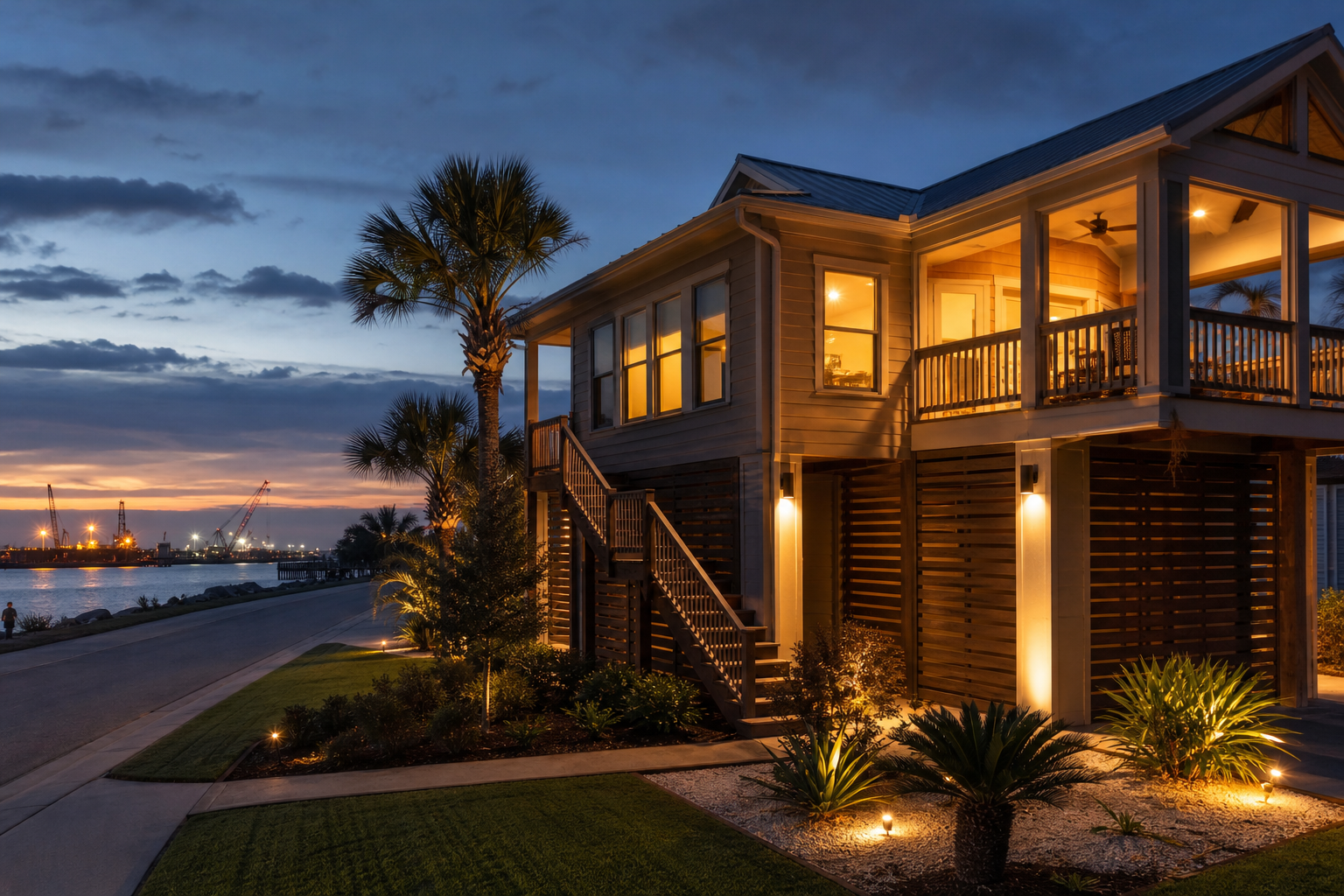
  • League City First-Time Homebuyer Steps for 2026

    League City First-Time Homebuyer Steps for 2026

    To buy your first home in League City, get pre-approved, build a budget around the full monthly cost, check neighborhoods and property details, negotiate and inspect, then close through a title company and file your Texas homestead exemption. Doing these in order prevents most first-time mistakes.

    What are the steps to buying your first home in League City?

    Buying your first home in League City comes down to five steps: get pre-approved, set a budget based on total monthly cost, research neighborhoods and property details, negotiate and inspect, then close with a title company and file your homestead exemption. Do them in that order. Each one protects the next.

    Key Takeaways

    • A lender pre-approval comes first, because it sets your real price range before you tour a single League City home.
    • Your budget is the full monthly payment, including taxes, insurance, and any HOA dues, not just the list price.
    • Texas’s My First Texas Home program requires you to occupy the property as your principal residence within 60 days after mortgage closing.
    • The general deadline to file for the Texas residence homestead exemption is April 30, filed with the county appraisal district.
    • In Texas, a title company handles closing and the handling of funds, not an attorney.

    I walk first-time buyers through this exact sequence. The people who struggle are rarely the ones who lack money. They’re the ones who tour first, fall for a house, and then find out the numbers don’t work. Here’s the order I’d follow.

    How do you buy your first home in League City, step by step?

    Follow five steps in order: pre-approval, budget, neighborhood research, offer and inspection, then closing and homestead filing. Here is each one in detail.

    StepWhat you doWho helps
    1. Pre-approvalSubmit income, credit, and asset documents to a lenderLender
    2. BudgetCompare total monthly cost, not price alone, and screen assistance programsLender, your agent
    3. ResearchCompare areas and properties on commute, age, HOA, insurance, and flood exposureYour agent, insurance agent
    4. Offer and inspectionNegotiate, inspect, and resolve repair requestsYour agent, inspector
    5. Closing and homesteadSign at the title company, then file your exemptionTitle company, appraisal district

    Step 1: Get pre-approved before you tour

    A pre-approval tells you what a lender is willing to lend you, and it should happen before your first showing. You’ll provide income, credit, debt, and asset documentation. The lender then issues a letter you can attach to offers.

    I tell every buyer to do this first. Without it, you’re shopping against a number you made up. Sellers in League City also take an offer more seriously when the financing is already vetted.

    Ask your lender what cash you’ll need at closing, and what type of loan fits your situation. Requirements vary by loan program and by borrower, so confirm yours directly with a lender.

    Step 2: Build a budget around the monthly payment

    Your budget is the total monthly cost of owning the home, not the sticker price. That includes your loan payment, property taxes, homeowners insurance, and any HOA or amenity dues. Insurance needs vary by property, including whether a home needs flood coverage, so get quotes before you write an offer.

    This is also the time to look at assistance. The Texas Department of Housing and Community Affairs runs My First Texas Home. Under its program matrix, you must occupy the property as your principal residence within 60 days after mortgage closing, and the property must be in Texas. Income limits, purchase-price limits, and credit rules apply too, so verify your eligibility with an approved lender.

    A citywide figure won’t tell you what your target street costs. Your price depends on the area, property type, age, and condition. That’s where a local market analysis comes in. I pull current sold comparables for the exact kind of home you want.

    Step 3: Research League City neighborhoods and properties

    Compare League City areas on property and market facts: commute, lot and home age, HOA rules, insurance cost, and flood exposure. Two homes at the same price can have very different monthly costs once you add dues and insurance.

    Use this checklist on every property you seriously consider:

    • Commute: Drive it at the time of day you’d actually travel.
    • Flood and insurance: Confirm the property’s flood zone status and get an insurance quote.
    • HOA and fees: Ask what dues cover and what rules apply.
    • Age and systems: Roof, HVAC, plumbing, and electrical age drive future costs.
    • Resale: Look at how comparable homes nearby have sold.

    For area-by-area detail, read my guide to the best neighborhoods in League City. If water access is on your list, my breakdown of buying waterfront property in League City covers the extra checks.

    Step 4: Make the offer, then inspect

    Your offer sets the price and the terms, and your inspection tells you what you’re really buying. Price is only one piece. Closing date, repair terms, and contingencies matter just as much.

    Hire a licensed inspector and attend the inspection if you can. Your contract gives you a window to negotiate repairs or walk away based on what turns up. I’ll explain exactly how that window works in your contract before you sign anything. Your lender will also order an appraisal, which must support the price you agreed to.

    Most first-time buyers make the same handful of errors here. I covered them in the 7 biggest mistakes first-time buyers in League City make, and it’s worth a read before you offer.

    Step 5: Close, then file your homestead exemption

    In Texas, you close at a title company, and afterward you file for the homestead exemption with the county appraisal district. The title company handles the signing, the transfer of funds, and the paperwork. You bring your ID and the funds your lender and title company instruct you to bring.

    Don’t skip the exemption. According to the Texas Comptroller of Public Accounts, you generally must own the property and use it as your principal residence to qualify. You file with the appraisal district for the county where the property sits, and the general deadline is April 30 of the tax year.

    If you buy after January 1, the Comptroller’s homestead guidance says you may still receive the exemption for the applicable portion of that tax year, as long as the previous owner did not already receive it for that year. Ask your title company or your agent to flag this at closing so it doesn’t slip.

    How do you choose the right agent for a League City purchase?

    Choose an agent who knows the specific part of League City you’re targeting and who will explain each step before it happens. Ask how they handle pre-approval, how they research flood and insurance questions, and how they communicate during inspection. I wrote a full breakdown on how to hire a real estate agent in League City.

    If you want a starting point built for a first purchase, my page on League City real estate for first-time buyers lays out the basics. Every situation is different, and the only way to know your range, your monthly cost, and your best-fit areas is to run the numbers together.

    Want to see what past clients say about working with me? Read my reviews on Google, Zillow, and Realtor.com.

    FAQ

    Can first-time buyers use Texas down-payment assistance in League City?

    Yes, if you and the property qualify. The My First Texas Home program from TDHCA requires the property to be in Texas and requires you to occupy it as your principal residence within 60 days after mortgage closing. Income, price, and credit rules also apply, so check your eligibility with an approved lender before you shop.

    When should I apply for the Texas homestead exemption after buying?

    Apply as soon as you’ve closed and moved in, and no later than the general April 30 deadline. You file with the appraisal district for the county where the home is located. If you bought after January 1, you may still qualify for the applicable portion of that year, per the Texas Comptroller.

    How much money should I save before getting pre-approved?

    There is no universal number, because it depends on your loan type, the price range, and your lender’s requirements. The right move is to get pre-approved and ask the lender what you’ll need for your down payment and closing. That gives you a real target instead of a guess.

    What should I check before buying in a League City subdivision?

    Check the HOA rules and dues, the property’s flood zone status, your insurance quote, the age of major systems, and your commute. Verify each one for the specific property, not the general area. I walk my clients through this list before we write an offer.

    The path is simple to state: pre-approval, budget, research, inspection, then closing and homestead. Work through it in order and you avoid the costly surprises. If you’re ready to start, I’ll help you build your plan for League City.

    Call me at 281-900-9663 or search homes here.

    About Lisa Marie Sanders

    With expertise in buying, selling, and investing across the greater Houston metro, Lisa brings a full-service approach to every client, from first-time buyers to seasoned investors.

    Living Vogue Real Estate · 281-900-9663

    Equal Housing Opportunity. Lisa Marie Sanders, TX Broker, Living Vogue Real Estate. Regulated by the Texas Real Estate Commission (TREC). This article is general information, not legal, tax, or financial advice. Confirm your own numbers with your title company, tax advisor, or lender.

  • Galveston County’s Port Jobs and Real Estate Investing

    Galveston County’s Port Jobs and Real Estate Investing

    Galveston County’s port jobs can support rental and resale demand, but most of the growth is still proposed. Only the $106 million cargo expansion is complete. Cruise activity is forecast, and shipbuilding and a fifth cruise terminal are plans. Investors should sort projects by status and test each property on its own numbers.

    Will Galveston County’s Port Jobs Raise Real Estate Values?

    Galveston County’s port jobs can support rental and resale demand, but the port’s own materials don’t prove it yet. The $106 million cargo expansion is finished. The shipbuilding site, the extra cargo acres, and a fifth cruise terminal are still proposals. Invest in the property and its numbers, not the headline.

    Key Takeaways

    • The Port of Galveston completed a $106 million West Port Cargo Complex expansion in mid-2026, adding almost 30 acres and a new 1,410-foot berth.
    • Cargo operations generated 248,984 skilled labor hours in 2025, about 120 full-time jobs, so cargo alone is a modest employment base.
    • The port’s February 2026 master-plan update targets more than 5 million tons of cargo a year, up from about 3 million, over five to 10 years. That is a goal, not achieved volume.
    • Cruise is the bigger job engine: port materials credit cruise operations with more than 4,547 jobs for Galveston-area residents and forecast 446 sailings in 2026.
    • A possible $1 billion shipbuilding project and a fifth cruise terminal (about 1,500 projected jobs) are proposals, so treat them as upside, not your base case.

    What Is Behind Galveston County’s Port Jobs Growth?

    Three things: a finished cargo expansion, a record cruise forecast for 2026, and a pipeline of proposed projects that aren’t built yet. I see investors blur those three together all the time. That’s where bad underwriting starts.

    What has actually been built?

    The Port of Galveston completed a $106 million West Port Cargo Complex expansion in mid-2026. It added almost 30 acres to a former 60-acre facility, created a 1,410-foot berth, and repaved cargo-handling areas. Funding came from port operating revenue and a $36 million TxDOT grant.

    For scale, 2025 cargo operations produced 248,984 skilled labor hours, roughly 120 full-time jobs. That is the baseline. It is not a count of new jobs from the expansion.

    What is forecast for 2026?

    The port forecast 446 cruise sailings and about 3.9 million passenger movements in 2026, a record forecast. Those are full-year projections, not final results.

    The same port materials say cruise operations generate more than 4,547 jobs for Galveston-area residents, $733 million in business revenue, $291 million in personal income, and $25 million in state and local taxes. Those are impacts of cruise operations overall. They are not new jobs from the cargo project.

    What is only proposed?

    The port’s February 2026 master-plan update aims to grow cargo from about 3 million tons a year to more than 5 million. Its Pelican Island materials describe a multi-use berth of roughly $40 million and a possible $1 billion shipbuilding project. The port also describes about 40 more cargo acres if some cruise parking moves into garages.

    Here’s how I sort the announcements:

    ProjectStatusHow to treat it
    West Port Cargo Complex expansion ($106 million, 1,410-foot berth)Completed in 2026Built infrastructure. Safe to cite as fact.
    446 cruise sailings, about 3.9 million passenger movementsForecast for calendar year 2026Strong signal, but not a final result.
    Cargo growth to more than 5 million tonsPlanning target over five to 10 yearsA goal that depends on acreage, rail, and infrastructure.
    About 40 additional cargo acresProposedFuture change, not current capacity.
    Pelican Island multi-use berth (about $40 million)Proposed, with port reserves plus potential grantsDepends on financing and approvals.
    Possible $1 billion shipbuilding projectProposed, not finalizedUpside only. Do not underwrite it.
    Fifth cruise terminal (about 1,500 projected jobs)Proposed, terms under negotiationProjected effects from an economic-impact study.

    How Do Port Jobs Affect Galveston Real Estate Investment?

    Galveston County’s port jobs can add rental and resale demand near employment, but nobody can honestly convert projected jobs into home purchases, rents, or appreciation. The port’s sources support a case for business and job growth. They don’t measure housing demand. That gap is where your own due diligence has to fill in.

    Do port jobs mean more rental demand?

    They can, but only when the people holding those jobs need housing within commuting range. Some roles may be filled by people who already live in the county. Nobody can tell you how many home purchases 120 cargo jobs produce, and I won’t guess.

    What I can tell you is what makes a rental hold up. Condition, commute to the port and other job centers, and a rent that fits comparable properties matter most. Keep your upgrades in line with what nearby homes support. Over-improving a rental to chase a story rarely pays you back.

    Could a fifth cruise terminal boost short-term rentals?

    It might, but it’s a proposal. In August 2026 the port reported that a proposed fifth terminal could produce about 1,500 jobs, $91.5 million in personal income, $278 million in direct business revenue, and $7.9 million in state and local taxes. Those are projections from an economic-impact study.

    More passenger traffic could support visitor demand. It doesn’t guarantee your occupancy. Before you underwrite a vacation rental, check the city’s short-term rental rules and any HOA restrictions on the property. My post on Galveston vacation rentals and your investment goes deeper on that side.

    Is Pelican Island a residential investment?

    Not based on what the port has published. Its materials frame Pelican Island around industrial and maritime uses: possible shipbuilding, roll-on/roll-off cargo, and LNG marine fuel. Those depend on financing, approvals, tenants, and final commitments. I’d watch it as an economic signal, not treat it as a place to underwrite residential returns.

    What are the downsides investors miss?

    More cargo can mean more truck and rail activity, and that can affect noise and traffic near certain routes. Insurance is the other swing factor. Wind and flood coverage can change your carrying costs a lot from one property to the next, so get quotes before you write an offer.

    How Do You Vet a Port-Driven Property Before You Buy?

    Sort every project by status, then test the specific property against current local sales data, commute, insurance, and conservative numbers. This is the exact process I walk investors through before they make an offer.

    1. Label each project. Completed, forecast, or proposed. Only the first category belongs in your base case.
    2. Get current local data. Ask me for recent MLS figures: median sale price, active inventory, closed sales, days on market, and price-to-list ratio. Those tell you what the market is doing now, which the port’s projections can’t.
    3. Test the property, not the area. Whether you’re looking at the historic district, Sea Isle, or Indian Beach, the questions are the same. How far is the commute? What does the zoning allow? What does the insurance quote say?
    4. Underwrite without port upside. If the deal works with flat rents and flat values, new jobs are a bonus. If it only works with the shipbuilding project, it’s a bet.
    5. Plan your closing. A title company handles closing and the funds in Texas. For the cost categories involved, read my breakdown of closing costs in Galveston County, then ask me for a personalized estimate.

    Employer-driven expansions nearby raise the same questions. I covered one in my post on Chevron’s expansion and League City real estate.

    Galveston County’s port jobs are a real reason to look harder at this market. They are not a reason to skip the math. If you want to know what they mean for a specific property, call me at 281-900-9663 and I’ll run the numbers with you. You can also search Galveston homes here.

    Want to know how I work with clients? Read my reviews on Google, Zillow, and Realtor.com.

    FAQ

    Will the port’s cargo expansion raise home values in Galveston?

    Nobody can promise it, because the port’s sources don’t tie the expansion to housing demand. The expansion is complete, but the cargo base it builds on was about 120 full-time jobs of labor in 2025. Values depend on local supply, insurance costs, and buyer demand, so look at recent sold data for the specific area.

    Which Galveston neighborhoods benefit most from port jobs?

    There is no verified ranking, and I won’t invent one. Compare properties by commute, zoning, flood and insurance costs, and recent MLS data. Those factors tell you more than a neighborhood’s distance from the port.

    Is Pelican Island a realistic place for residential investing?

    Based on the port’s published plans, Pelican Island is positioned for industrial and maritime use. Shipbuilding, roll-on/roll-off cargo, and LNG marine fuel are proposals that still need financing, approvals, and tenants. Confirm zoning and land-use rules before you consider any residential angle.

    Could a fifth cruise terminal create demand for short-term rentals?

    It could, but the terminal is still proposed. The port’s economic-impact study projects about 1,500 jobs and $278 million in direct business revenue. Projected visitor traffic doesn’t equal guaranteed occupancy, so check city rules and HOA restrictions before you buy.

    About Lisa Marie Sanders

    Lisa Marie Sanders is a Texas broker with Living Vogue Real Estate Group. She helps buyers, sellers, and investors across the greater Houston metro and Galveston, from first-time purchases to seasoned investment portfolios.

    Living Vogue Real Estate · 281-900-9663

    Equal Housing Opportunity. Living Vogue Real Estate supports Fair Housing and does not discriminate on the basis of race, color, religion, sex, disability, familial status, or national origin. Lisa Marie Sanders, TX Broker. Regulated by the Texas Real Estate Commission (TREC). This article is general information, not legal, tax, or financial advice. Confirm your own numbers with your title company, tax advisor, or lender.